
Key Takeaways
- Agentic AI Goes Beyond LLMs: To build production-grade systems, raw LLMs must be wrapped in Agentic AI architectures that provide memory, planning capabilities, and structured tool access.
- Pattern Selection Matters: Choose the right pattern for the job. Use the ReAct Loop for general tasks, Hierarchical Planners for complex workflows, and Finite State Machines when compliance and security are non-negotiable.
- Composability is Power: Advanced solutions often combine patterns. In a robust Agentic AI system, a high-level agent can utilize other specialized agents as tools to perform specific sub-tasks.
- Self-Correction Improves Accuracy: Patterns like the Reflexion Agent dramatically improve code generation and reasoning by introducing a “critic” step that reviews and iterates on output before finalization.
- Responsible AI requires Structure: For high-stakes industries, avoid purely probabilistic patterns. Use graph-based architectures (State Machines) to enforce strict guardrails, security policies, and easier observability.
Introduction: From LLMs to Cognitive Architectures
In the modern enterprise, deploying a raw Large Language Model (LLM) is rarely enough to solve real-world business problems. To handle complex, multi-step workflows reliably, engineers are shifting toward Agentic AI. This discipline involves wrapping LLMs in Cognitive Architectures—systems that provide memory, planning capability, tool access, and self-correction mechanisms.
This guide details the architectural patterns used in high-performance Agentic AI systems today. We will categorize them by complexity, analyze their pros and cons, and explain how to combine them for secure, production-grade solutions.
Anatomy of a Production Agent
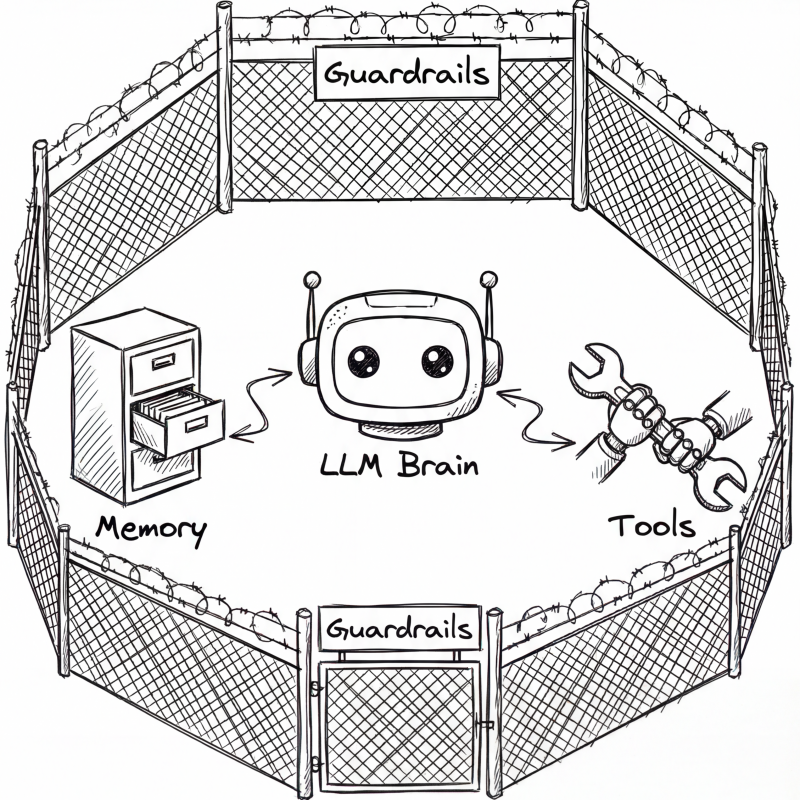
Before diving into specific patterns, we must define the stack that supports Agentic AI. A “naked” agent in a Python script is not production-grade. A robust system requires:
- The Brain (LLM): The reasoning engine (e.g., GPT-5.2, Claude 4.5 Sonnet).
- The Hands (Tools): Structured interfaces (APIs, Database Connectors) the AI agent can call to interact with the world.
- The Memory: Both short-term (context window) and long-term (Vector databases/RAG) storage.
- The Scaffolding (Control Flow): The code that loops, retries, and parses outputs.
- The Guardrails: Filters that ensure Responsible AI practices by preventing hallucinations or unsafe actions.


Single-Agent Patterns (Foundational)
These patterns utilize a single LLM instance. They are the foundational building blocks of Agentic AI, offering lower costs and easier debugging.
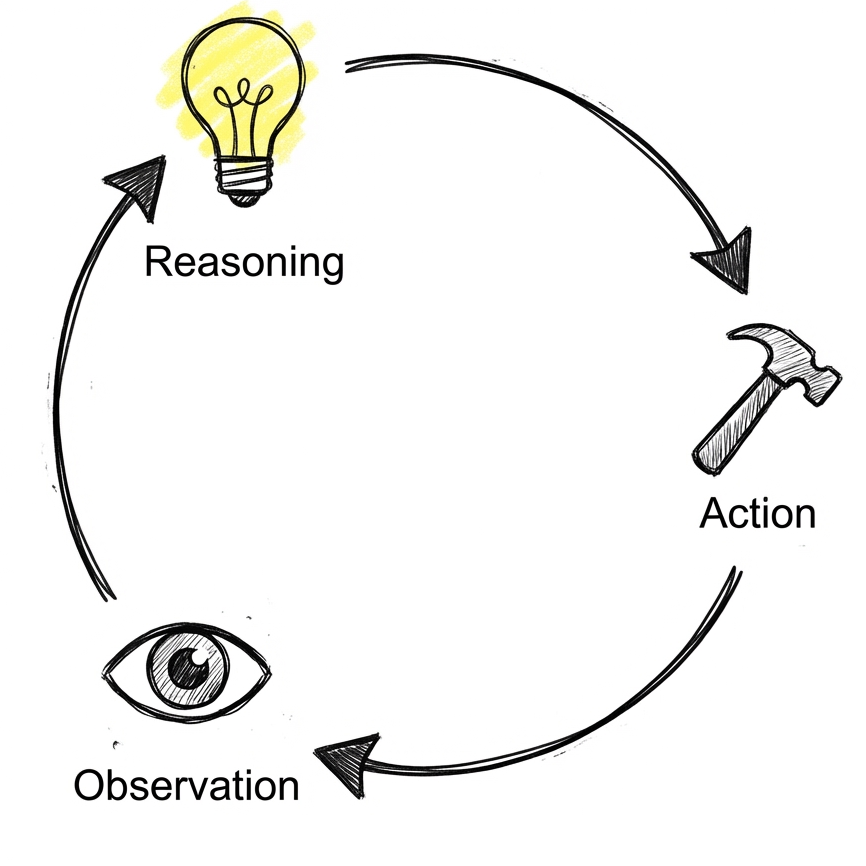
Pattern A: The ReAct Loop (Reason + Act)
- Popularity: Very High (The industry standard).
- Mechanism: The AI agent operates in a generic loop: Thought -> Act (Tool Call) -> Observe (Result) -> Repeat.
- Pros: Highly flexible; handles novel problems well.
- Cons: Prone to infinite loops; can be slow due to serial execution.
- When to Use: General-purpose assistants where the specific steps are not known in advance.
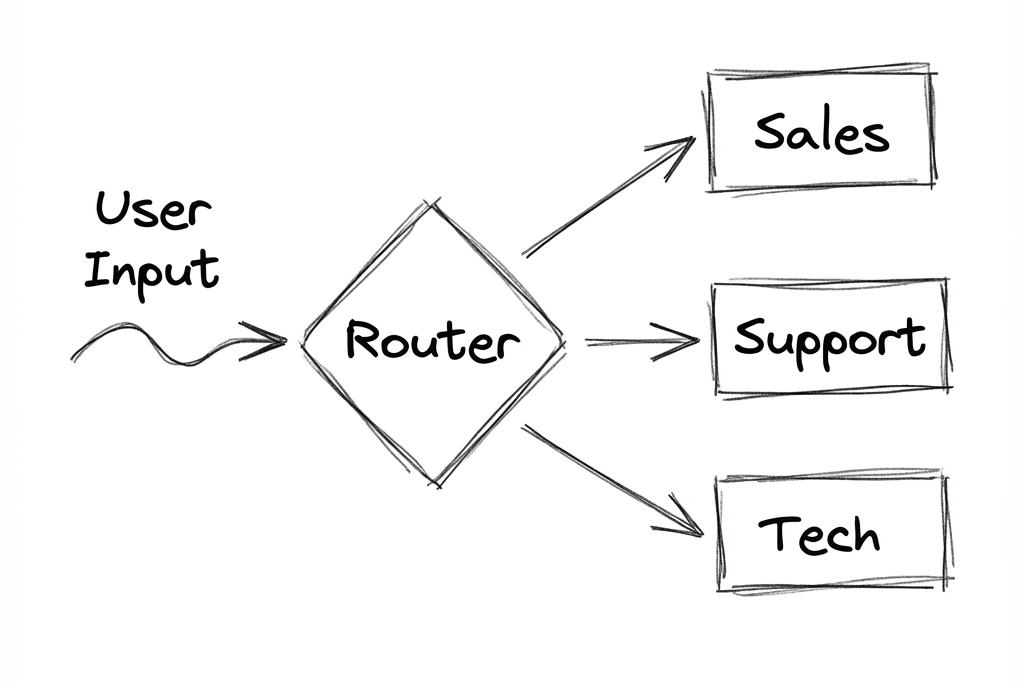
Pattern B: The Semantic Router (The Traffic Cop)
- Popularity: High (Essential for latency).
- Mechanism: A fast classifier analyzes intent before the main Agentic AI workflow starts, routing the request to a specialized prompt or sub-agent.
- Pros: Extremely fast; strictly separates concerns.
- Cons: If the router fails, the downstream flow fails.
- When to Use: Customer support bots or enterprise gateways handling distinct domains (e.g., separating “Billing” from “Tech Support”).
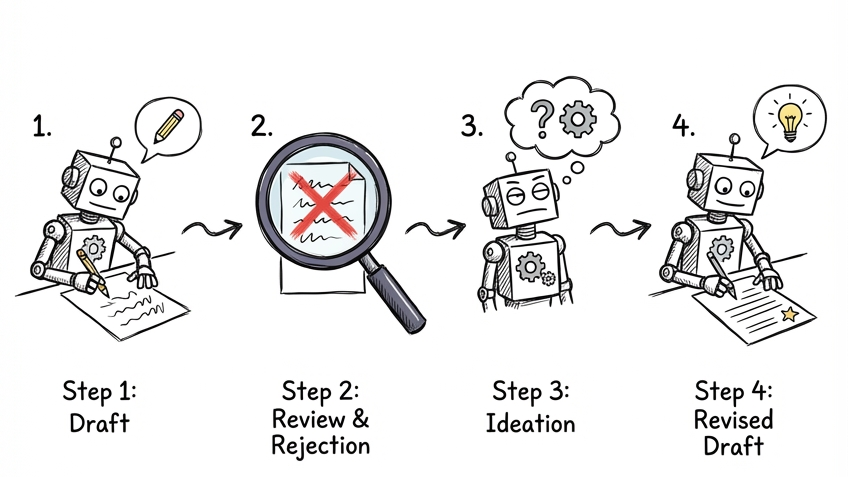
Pattern C: The Reflexion Agent (Self-Correction)
- Popularity: Rising (Critical for code generation).
- Mechanism: An advanced Agentic AI pattern where the model drafts a solution, critiques it (or runs code to catch errors), reflects on the mistake, and revises the output.
- Pros: Drastically increases success rates on complex reasoning.
- Cons: Higher token costs and latency.
- When to Use: Tasks requiring high accuracy, such as coding assistants or SQL generation.
Multi-Agent Patterns (Scaling Complexity)
When a single prompt context becomes overwhelmed, Agentic AI systems scale by dividing tasks among multiple specialized agents.
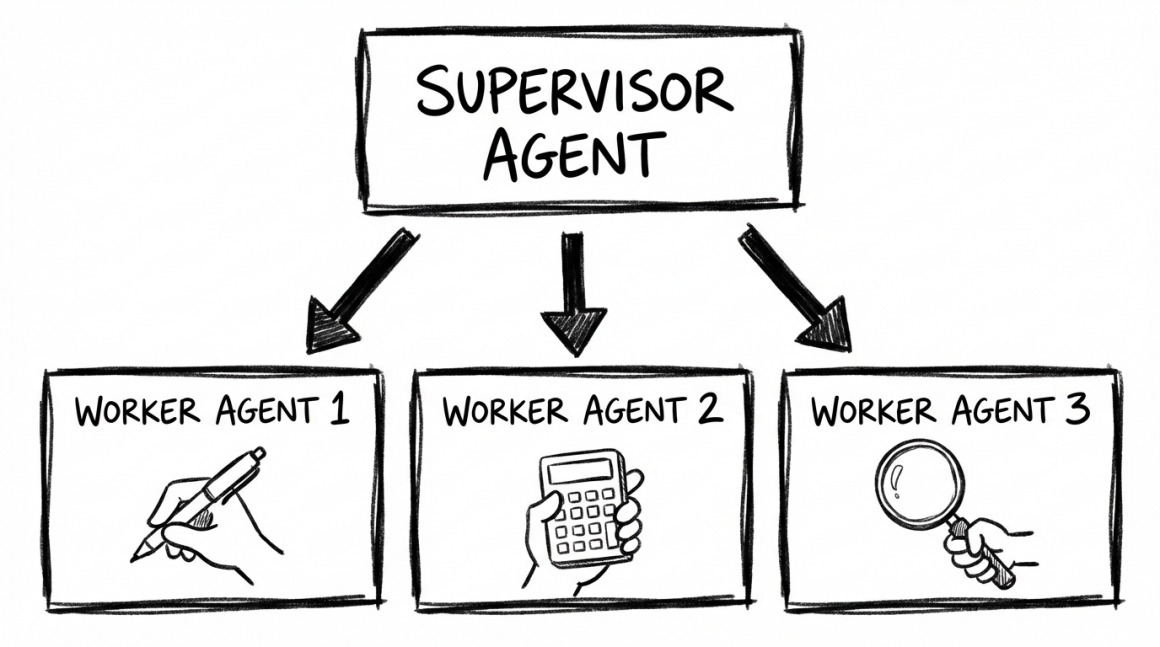
Pattern D: Hierarchical Planning (The “Boss & Workers”)
- Popularity: High (Standard for enterprise automation).
- Mechanism: A Supervisor Agent breaks a goal into sub-tasks and delegates them to specialized “Worker” agents (e.g., a Researcher, a Writer).
- Pros: Manages context window effectively; allows for modular skill upgrades.
- Cons: Slower due to network hops; potential for context loss between agents.
- When to Use: Complex report generation or software development pipelines.
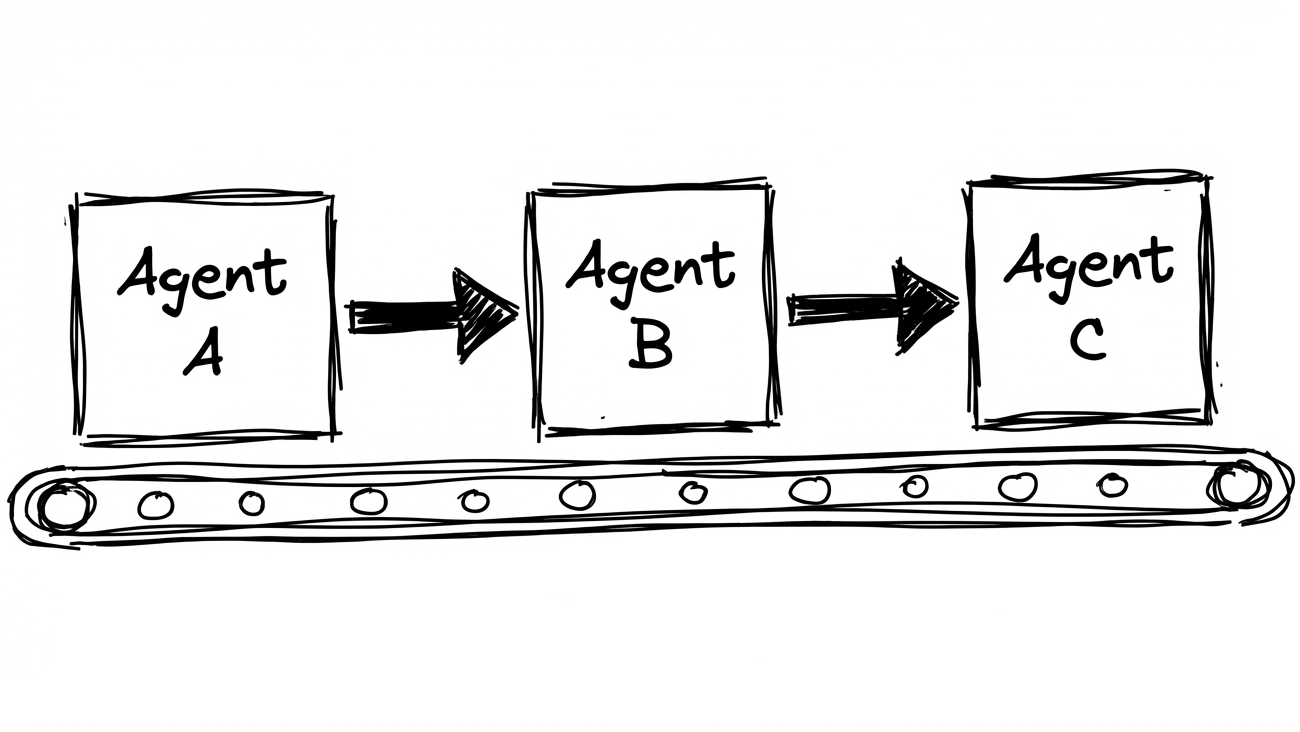
Pattern E: Sequential Handoffs (The Assembly Line)
- Popularity: Moderate.
- Mechanism: Agent A completes a task and passes the full state to Agent B, who passes it to Agent C.
- Pros: Deterministic and easy to visualize.
- Cons: Rigid; difficult to handle dynamic exceptions.
- When to Use: Strict business processes (e.g., Data Extraction -> Risk Assessment -> Approval).
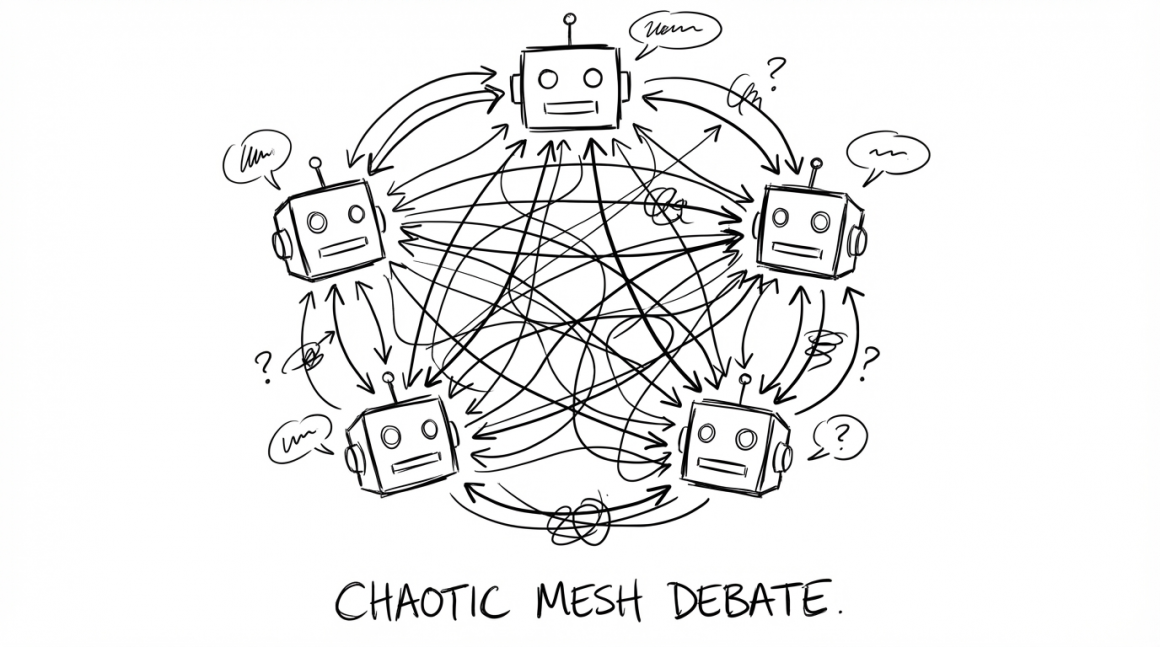
Pattern F: Collaborative Swarm (The “Round Table”)
- Popularity: Low in Enterprise (High in Research).
- Mechanism: Multiple AI agents share a chat history and debate a topic to reach a consensus.
- Pros: High creativity; diverse perspectives.
- Cons: Expensive; hard to control stopping conditions.
- When to Use: Brainstorming and creative strategy simulations.
Advanced Control Flow Patterns
For production-grade Agentic AI, simply letting the LLM “decide” is often too risky. These patterns introduce graph theory for better control.
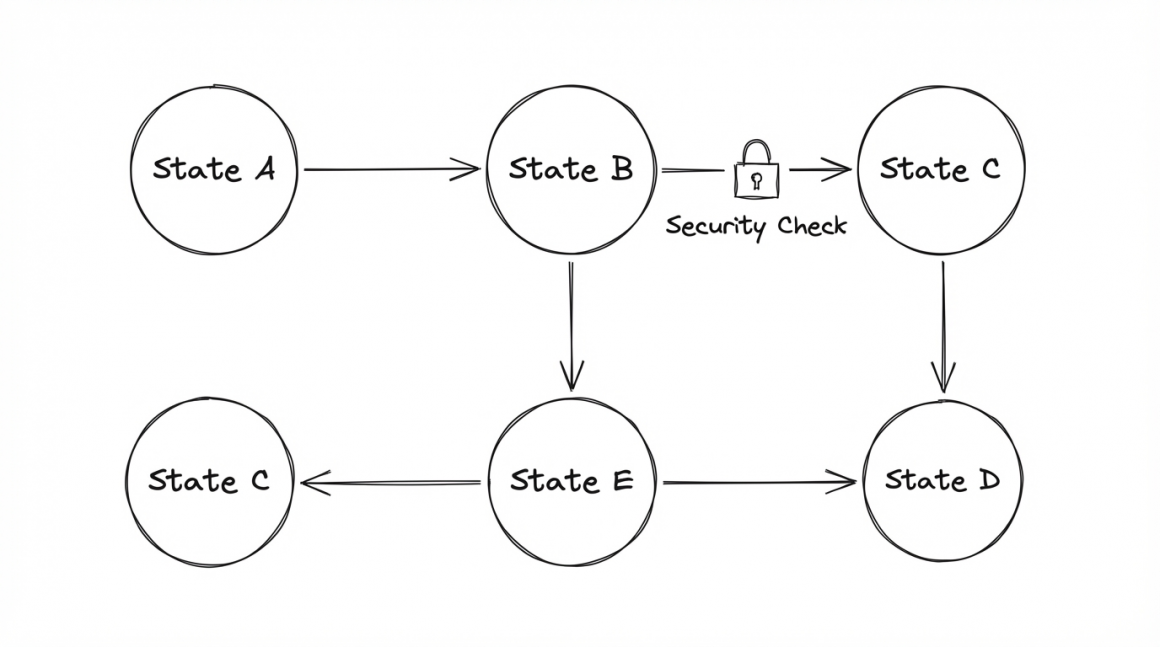
Pattern G: The Finite State Machine (Graph-Based Agents)
- Tools: LangGraph, BurntSushi.
- Concept: You define a graph of Nodes (Agents) and Edges (Rules). The LLM decides which edge to take, but it cannot invent new paths.
- Pros: The Gold Standard for Responsible AI. It offers mathematical guarantees that compliance steps cannot be skipped.
- Cons: Higher setup effort.
- When to Use: Banking, medical triage, or any high-stakes environment.
Pattern H: The Plan-and-Execute
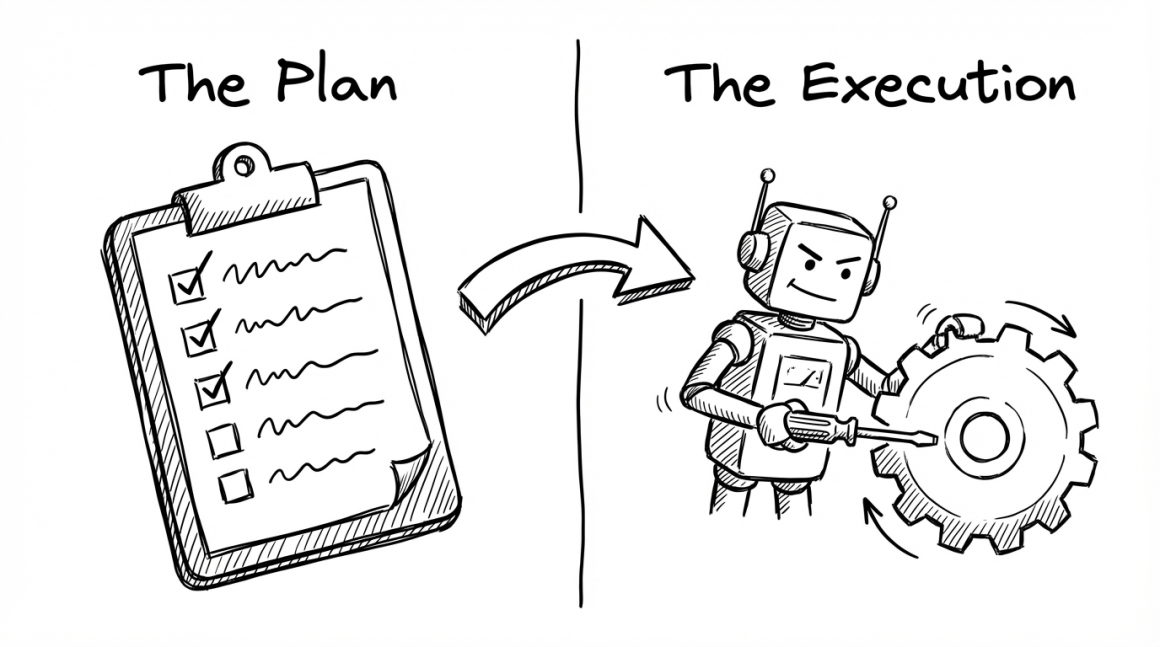
- Concept: Separates the “Planner” (reasoning) from the “Executor” (acting).
- Pros: Reduces “loss of focus” during long tasks.
- When to Use: Research tasks involving many disparate steps.
The Power of Composability: Mixing Patterns
In advanced Agentic AI development, you are not limited to one pattern. These architectures are composable.
The “Agent-as-a-Tool” Paradigm
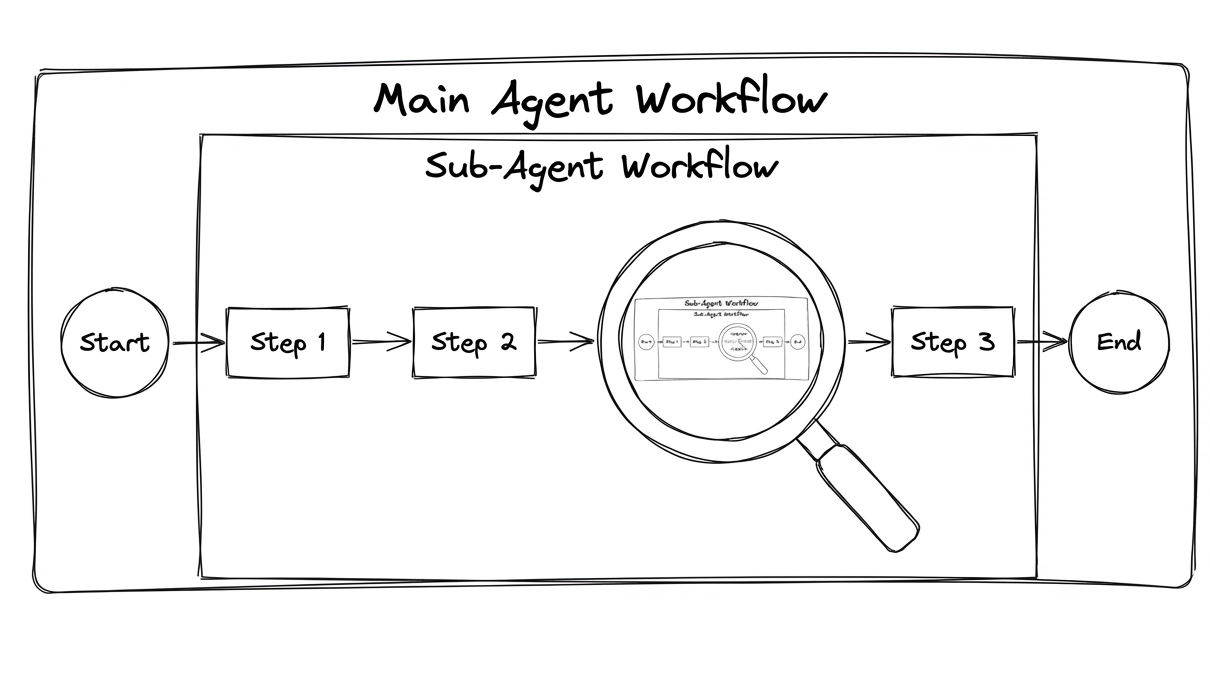
One of the most powerful techniques is treating an entire agent workflow as a tool for another agent.
- Example: A “Top Level” Semantic Router sends a request to a “Coder Agent.” The Coder Agent (a Hierarchical Supervisor) delegates a task to a “Security Check” tool. That tool is actually a Reflexion Agent running a rigorous audit loop.
- Benefit: This abstraction simplifies the architecture while maintaining the power of specialized AI agents.
Operationalizing Agentic AI: Security & Observability
Building the agent is only half the battle. Production-grade Agentic AI requires strict governance.
Establishing Responsible AI and Security
Which patterns are safest?
- Best (State Machines): For Responsible AI, graph-based patterns are superior. You can hard-code “Human-in-the-Loop” nodes before any sensitive action (like executing a refund) occurs.
- Risky (ReAct/Swarms): Purely probabilistic loops are prone to prompt injection. If you use these, they must be sandboxed or wrapped in middleware guardrails.
Tracing and Monitoring
Which patterns are easiest to debug?
- Easiest (Sequential/Hierarchical): These offer a clean “stack trace” of decision-making. You can clearly see where the Supervisor delegated a task and where the Worker failed.
- Hardest (Swarms): Collaborative swarms generate massive amounts of unstructured cross-talk, making it difficult to pinpoint the root cause of an error in observability tools like LangSmith.
Summary: Choosing the Right Agentic AI Pattern
| Requirement | Recommended Pattern | Why? |
|---|---|---|
| Simple, open-ended task | ReAct Loop | Flexible, easy to implement. |
| Complex task with clear sub-parts | Hierarchical (Boss/Worker) | Keeps context clean, utilizes specialized AI agents. |
| Strict Compliance / Security | State Machine (Graph) | Enforces valid paths, ensuring Responsible AI. |
| High Accuracy / Coding | Reflexion | Self-correction significantly reduces bugs. |
| High Volume / Low Latency | Router + Small Agents | Cost-effective scaling. |
By mastering these Agentic AI patterns, architects can move beyond experimental demos and build resilient, secure, and intelligent systems that drive real business value.
Frequently Asked Questions
What is Agentic AI?
Agentic AI refers to artificial intelligence systems that can autonomously pursue complex goals. Unlike a standard chatbot that simply responds to text, an agentic system can reason, plan, execute actions via tools (like APIs or databases), and self-correct to achieve a specific outcome without constant human intervention.
What are the most popular Agentic AI patterns?
The most widely used patterns in production include the ReAct Loop (Reason + Act) for general problem solving, the Semantic Router for directing user intent, and Hierarchical Multi-Agent systems (Boss/Worker) for breaking down complex tasks. Newer patterns like Reflexion are gaining popularity for high-accuracy tasks.
When should I use a Multi-Agent system?
You should switch to a multi-agent architecture when a single prompt context becomes too large or complex for one LLM to handle effectively. Multi-agent systems allow you to assign distinct “personas” (e.g., a Coder, a Researcher, a Writer) to specific parts of a task, improving focus and maintainability.
How do you secure Agentic AI in production?
To secure Agentic AI, it is best to use deterministic patterns like Finite State Machines rather than open-ended loops. This allows you to hard-code guardrails and “Human-in-the-Loop” approval steps that the AI cannot bypass, ensuring compliance with responsible AI policies.